Designed by Hunters, for Hunters

Africa hunting destinations offer not just a hunt but an immersion into the wild, where every step
is a journey,
and every encounter is a story waiting to be told. Whether you’re a first-time hunter or a seasoned
pro,
our outfitters and guides will make your African hunting trip an extraordinary adventure.
Expert guides with extensive knowledge of local flora and fauna. Unparalleled access to exclusive hunting lodges and concessions. Tailored experiences catering to both novice and seasoned hunters. Sustainable hunting practices ensuring the conservation of Africa's wildlife.
Plan your next hunting expedition with Game Hunting Safaris and unlock the door to a world of
wild beauty and thrilling pursuits.
why choose game hunting safaris



Hunting in Africa is an unforgettable experience, but success isn’t just about tracking game—it’s about precision. Proper shot placement is critical for ensuring a clean, ethical kill, minimizing suffering, and maximizing the retrieval of your trophy. Whether you’re targeting plains game or dangerous game, understanding animal anatomy is the foundation of ethical hunting.
This shot placement guide for hunting game in Africa will walk you through the key principles of hitting vital organs, comparing different species’ anatomical structures, and adjusting for various hunting scenarios. Whether you’re experienced in deer anatomy or new to African big game, this guide will equip you with the skills needed for a humane and effective hunt. Discover more about ethical big game shooting.
The anatomy of African game species differs significantly from that of North American deer, elk, or moose. While deer anatomy provides an excellent reference, hunters must understand the unique positioning of the vital organs—heart, lungs, and major arteries—in African wildlife.
By studying animal anatomy, hunters can refine their skills and avoid unnecessary suffering caused by misplaced shots.
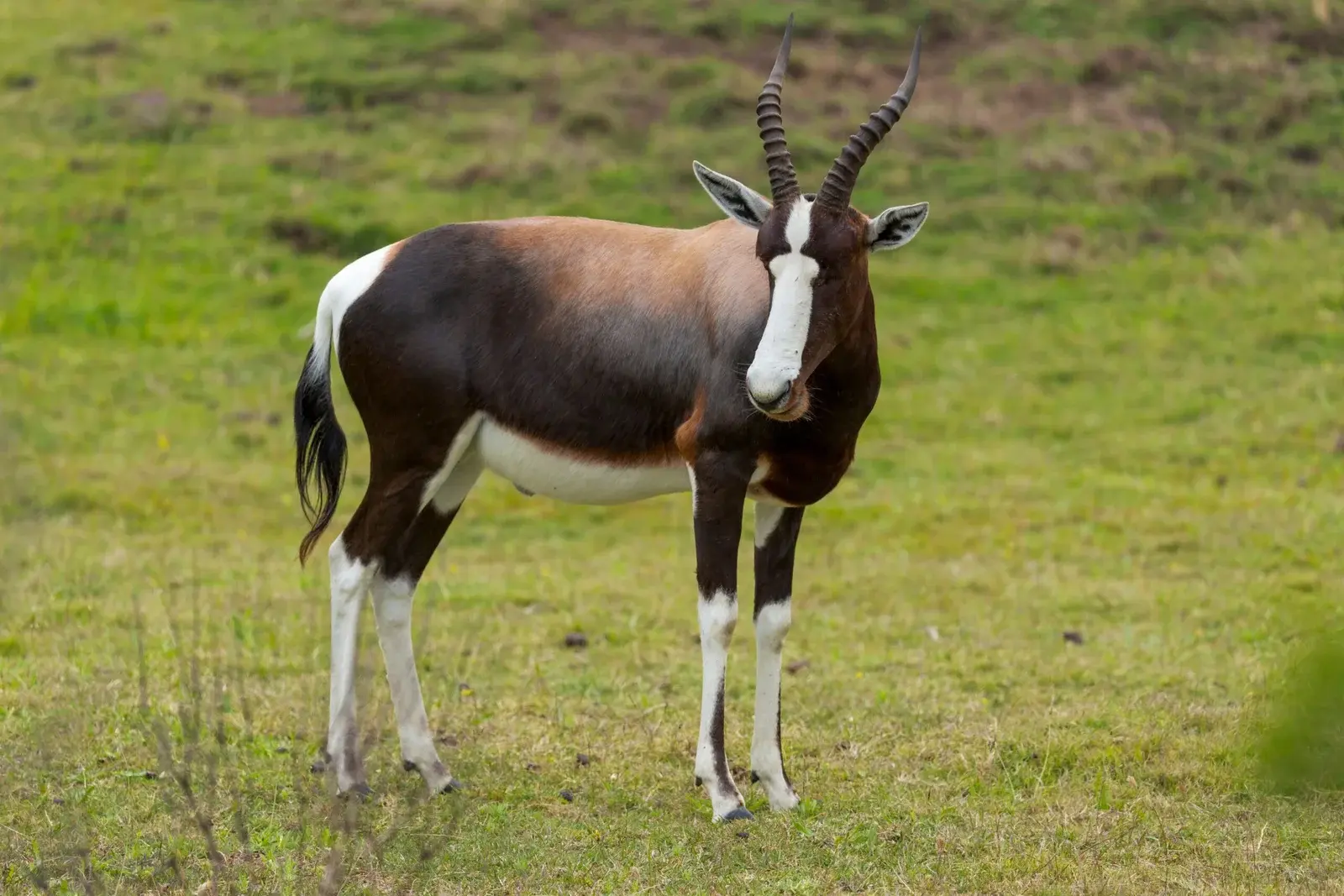
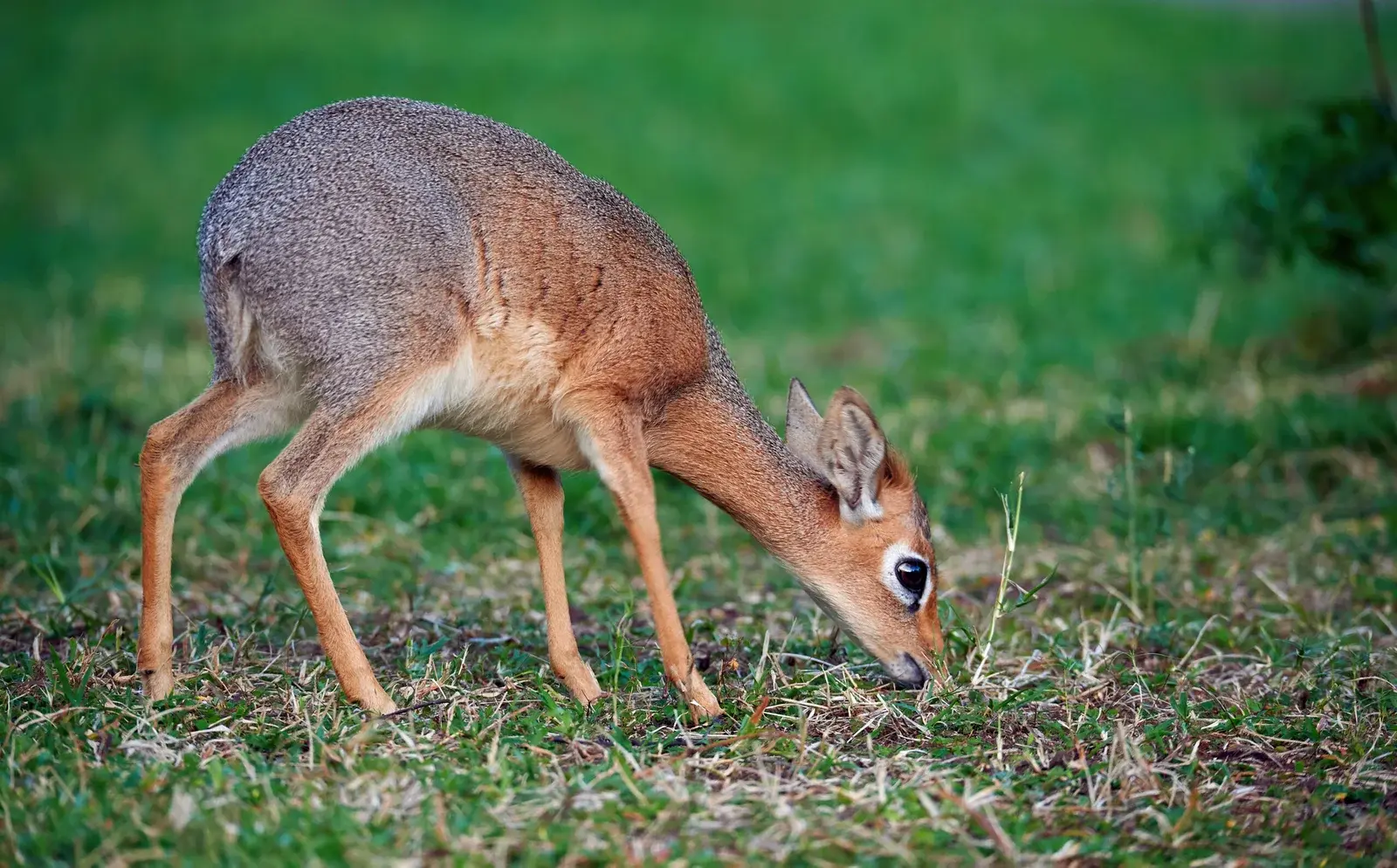
Plains game species are abundant and among the most commonly hunted in Africa. Their anatomy closely resembles that of North American deer but with slightly different lung placement.
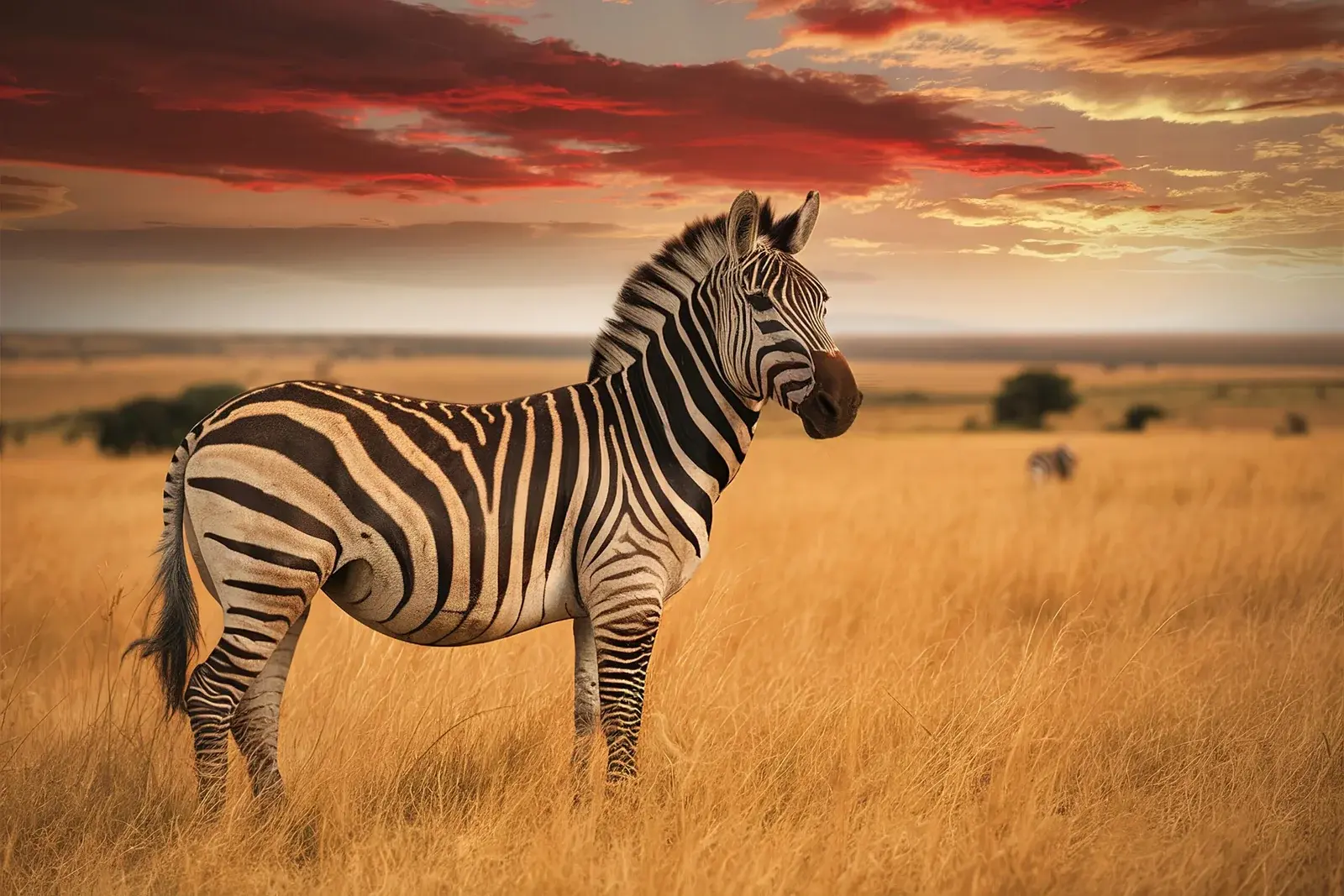
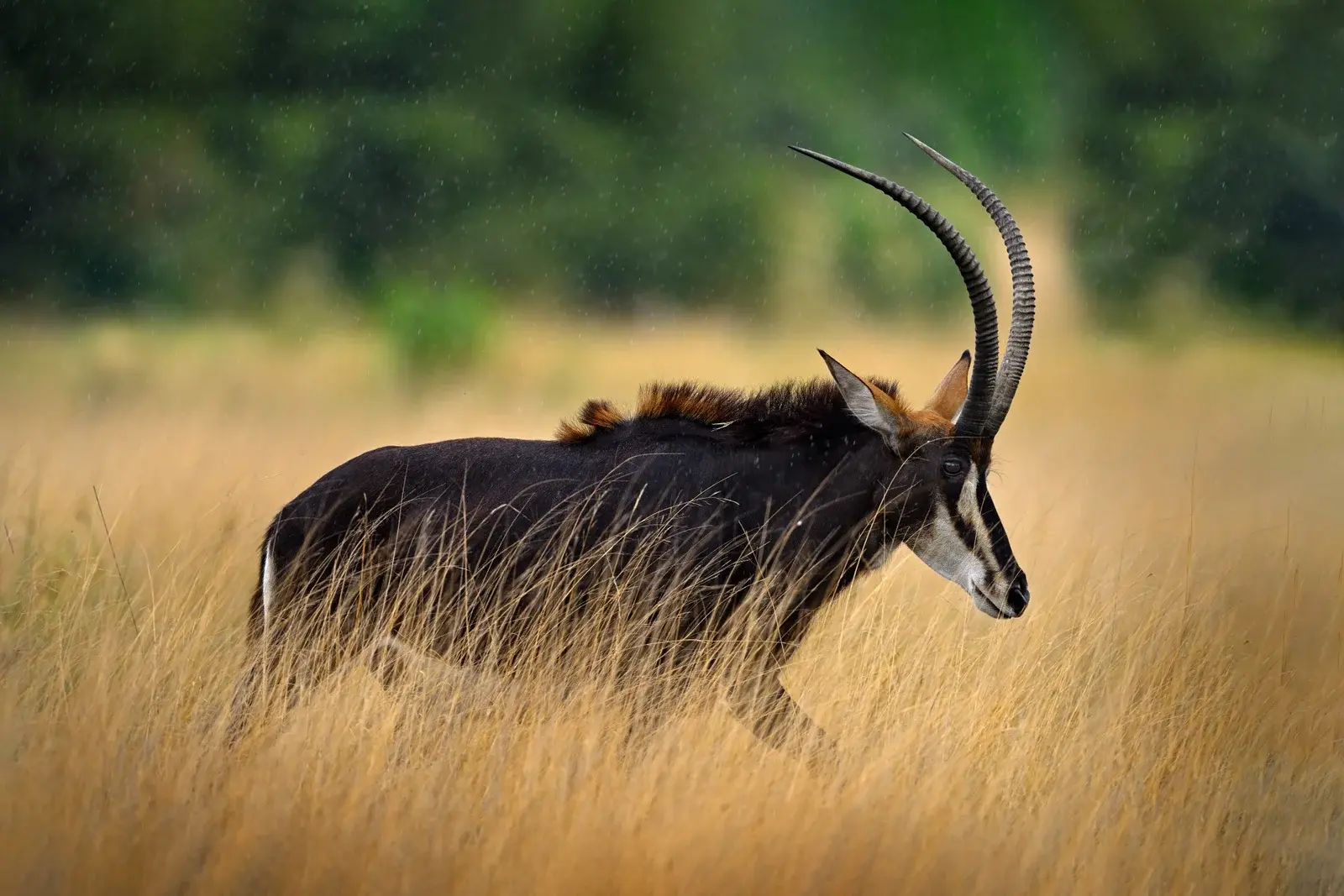
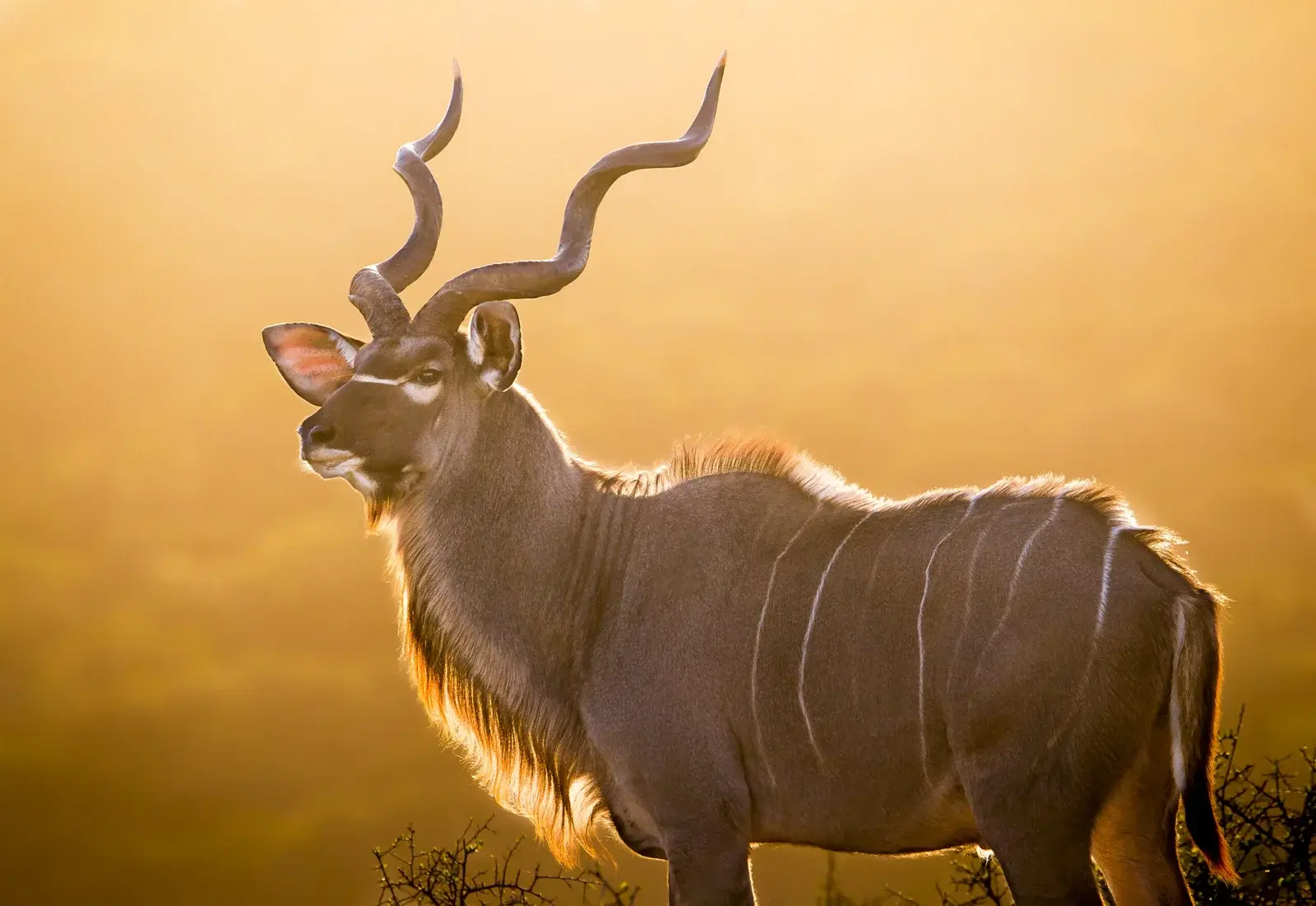
Africa's plains game encompasses an extraordinary variety of species from impala and springbok to kudu, gemsbok, wildebeest, and zebra. And while each animal has its own anatomical nuances, the fundamental principles of shot placement remain consistent across the group. The broadside heart-lung shot is the most effective and forgiving, with the aim point positioned in the lower third of the body, directly behind the front leg. This placement drives the bullet through the vital chest cavity, destroying the heart or both lungs and producing a fast, ethical kill. On a quartering-away animal, shift your aim point further back along the body to angle the bullet forward through the vitals. For species with heavy shoulder structure like eland or gemsbok, a high-energy calibre is recommended to ensure penetration through bone. Avoid gut shots and any shot that does not offer a clear path to the vitals, follow-up tracking in thick African bush can be challenging even on well-hit animals. To explore the full range of available packages, browse all plains game hunts in Africa on Game Hunting Safaris and find the right outfitter for your target species.
Cape buffalo are among the most challenging animals to hunt due to their aggressive nature. Proper shot placement can mean the difference between a quick, ethical kill and a dangerous follow-up.
Elephants have one of the largest animal anatomies, requiring exceptional skill and firepower for a humane kill.
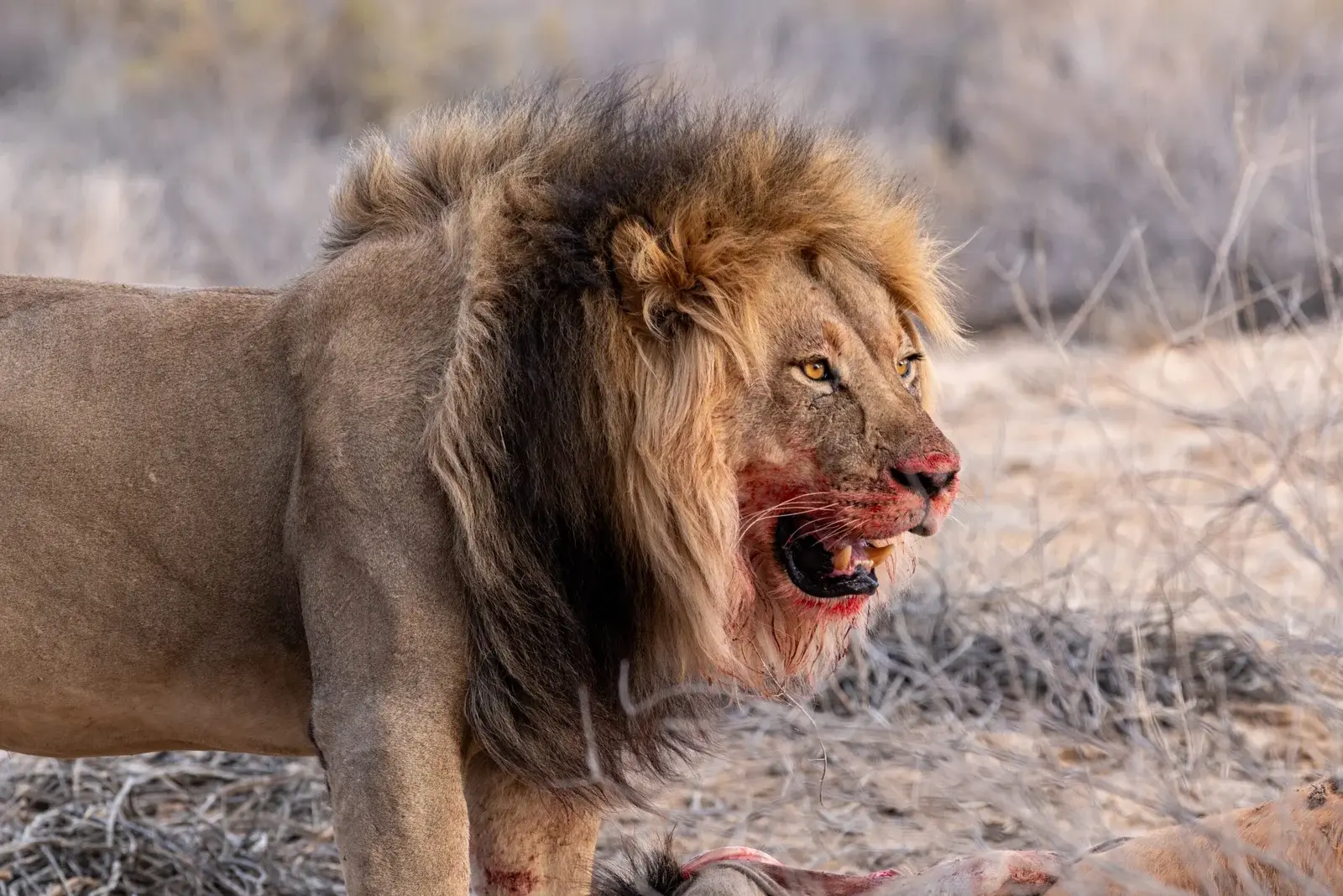
The lion is Africa's apex predator, and hunting one demands absolute precision under pressure. When presented with a broadside shot, place your bullet in the lower third of the shoulder, targeting the heart-lung vital zone — this delivers maximum tissue damage and ensures a fast, ethical takedown. A quartering-away angle is equally effective, driving the bullet forward through the chest cavity into both lungs. Avoid high shoulder shots, as lions carry dense muscle mass across the upper body that can absorb energy and deflect trajectory. Frontal shots should only be taken by highly experienced hunters and require aiming directly at the centre of the chest, splitting the sternum to reach the vitals. Because lions are fast, powerful, and potentially dangerous when wounded, a follow-up shot must always be anticipated. If you are ready to pursue Africa's most iconic predator, explore available lion hunts in Africa and connect with a specialist outfitter through Game Hunting Safaris.
Since big cats have more delicate animal anatomy compared to large ungulates, they require precise shooting to prevent suffering.
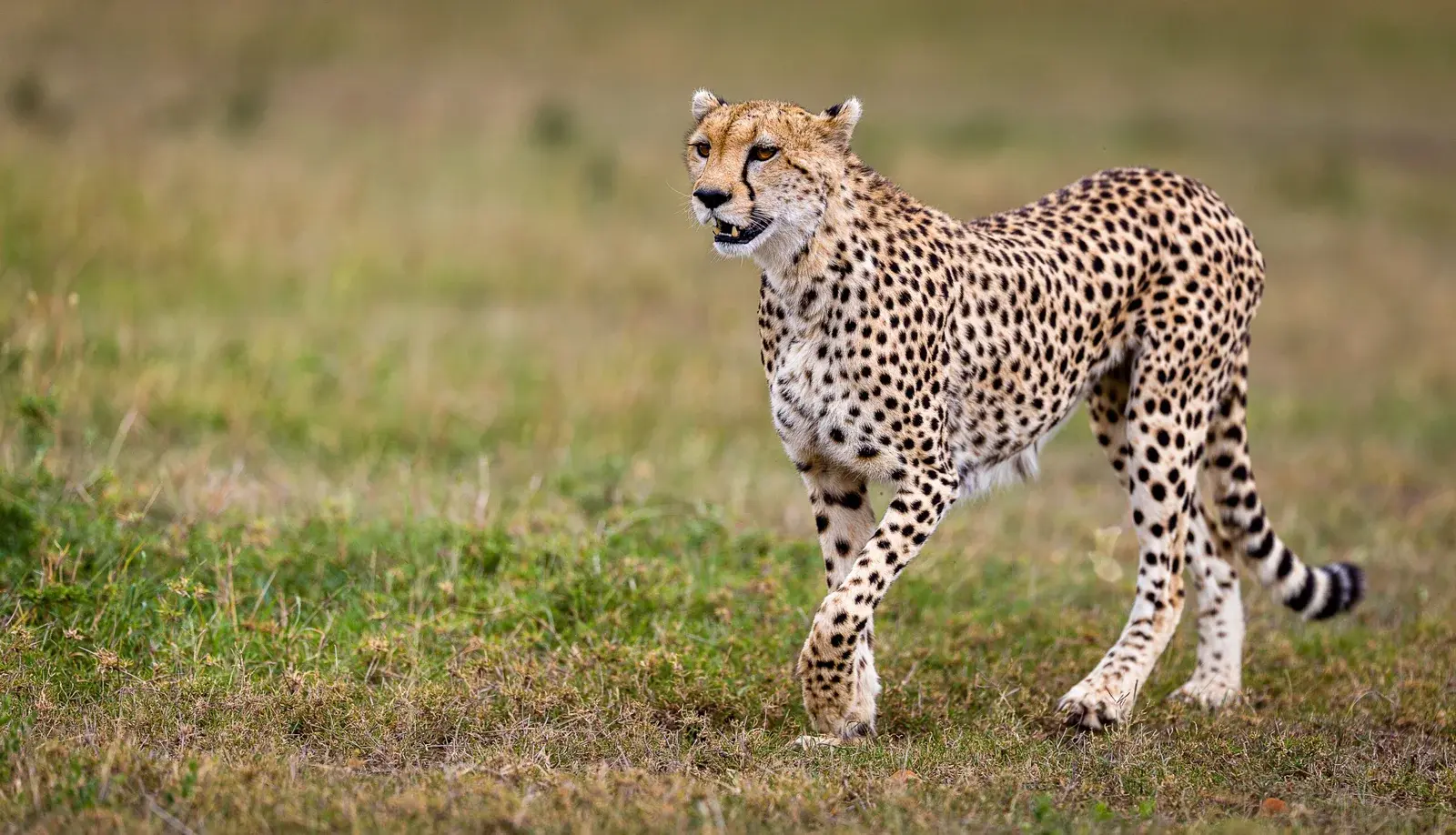
The leopard is arguably the most challenging and rewarding of Africa's Big Five to hunt, not for its size but for its elusive nature and explosive aggression when wounded. Shot opportunities are often brief and occur at close range from a blind, so there is little margin for error. A broadside shot behind the shoulder, targeting the heart-lung zone in the lower chest cavity, is the gold standard. Leopard anatomy is lean and compact, meaning a well-placed shot will anchor the animal quickly — but a marginal hit will send it into the nearest cover at speed, making recovery dangerous. Quartering-away presentations offer a reliable second option, allowing the bullet to travel diagonally through the chest and destroy both lungs. Avoid neck shots and any attempt at a running shot on a leopard. If you're planning your pursuit of this remarkable African cat, browse current leopard hunts in Africa listed by verified outfitters on Game Hunting Safaris.
Since big cats have more delicate animal anatomy compared to large ungulates, they require precise shooting to prevent suffering.
The hippopotamus is one of Africa's most dangerous and underestimated animals, responsible for more human fatalities annually than any other large mammal on the continent. Successful hippo hunting requires an understanding of the animal's unique anatomy and the specific shot placement required for a clean, ethical kill. When hunting hippo on land, the broadside heart-lung shot — placed just behind the shoulder — is effective and provides the largest target zone. However, hippo hunting most commonly occurs on water, where brain shots are the preferred method. Aim for the small triangular depression between the eyes and ears when the animal is facing you, or target the ear canal from a lateral angle for an immediate brain shot. Body shots on a hippo in water carry a serious risk of the animal sinking and becoming unrecoverable, so precision is non-negotiable. For hunters looking to experience this unique and adrenaline-charged pursuit, view all available hippo hunts in Africa through Game Hunting Safaris.
Hippos have distinct anatomies that require strategic shot placement for a successful hunt.
The Nile crocodile is an ancient and heavily armoured predator, and hunting one successfully depends entirely on correct shot placement. The crocodile's thick, bony scute-covered hide makes body shots largely ineffective — even heavy calibres can be deflected or absorbed without reaching vital organs. The brain shot is the only reliably lethal option and must be taken with precision. When the crocodile is presented head-on or at a slight angle out of water, aim for the raised platform directly behind the eyes, where the brain sits in a relatively small cavity. A lateral head shot, targeting just behind the eye socket toward the ear canal, is equally effective and often the shot of choice when the animal is basking with its head turned. Any poorly placed shot risks the crocodile entering the water and sinking, making trophy recovery impossible. Patience, the right calibre, and a steady rest are essential. Hunters interested in this technically demanding pursuit can find curated crocodile hunts in Africa through Game Hunting Safaris.
Crocodiles have distinct anatomies that require strategic shot placement for a successful hunt.
African game is rarely perfectly broadside, so hunters must adjust their aim based on positioning.
Using the right caliber ensures that your bullet has enough energy to penetrate the thick hides and bones of African game.
|
Species |
Recommended Caliber |
|
Plains Game (Impala, Kudu) |
.270 Win, .308 Win, .30-06 |
|
Cape Buffalo |
.375 H&H, .416 Rigby, .458 Lott |
|
Elephant |
.416 Rigby, .458 Win Mag, .500 Nitro |
|
Lion & Leopard |
.375 H&H, .416 Rem Mag |
|
Hippo & Crocodile |
.458 Lott, .470 Nitro Express |
Using proper calibers, paired with knowledge of animal anatomy, maximizes your chances of a clean, ethical hunt.
Even experienced hunters can make errors that result in long tracking distances or lost animals.
Avoiding these mistakes ensures clean kills and successful game hunting safaris.
Every hunter should strive for ethical and effective shot placement to ensure a quick, humane kill. By understanding animal anatomy, adapting to different angles, and selecting the right caliber, you can increase your hunting efficiency while upholding the highest ethical standards.
A well-placed shot is not just about success—it’s about respect for the wildlife and the conservation efforts that make African game hunting safaris possible. Whether you’re hunting plains game, the Big Five, or elusive predators, take the time to learn proper shot placement for hunting game in Africa.
Are you ready for your next hunting adventure? Equip yourself with knowledge, the right gear, and ethical practices to make your safari an unforgettable success.
Search from our range of Hunts across various popular destinations in Africa.

Book Your Hunt